Agentic Coding with Beads
Hybrid meetup #58 took place on Tuesday Mar 31, 2026 19:00 CET and we had a great presentation by Akim Zmerli on beads and agentic coding in general.

Coding with AI or agentic coding has both upsides and downsides:
While it can fill in blanks in documentation, help debug or can quickly get you up to speed with new libraries, the models also happily fill in the blanks in the requirements, orienting themselves on patterns learned from publicly available, average, code (but synthetic data (02/2026) is becoming more popular as well). A language model can be a learning tool, or erode skills (02/2026):
The erosion of conceptual understanding, code reading, and debugging skills that we measured among participants using AI assistance suggests that workers acquiring new skills should be mindful of their reliance on AI during the learning process.
In general, model may misunderstand and misunderstand in strange ways (06/2025):
success on benchmarks only demonstrates potemkin understanding: the illusion of understanding driven by answers irreconcilable with how any human would interpret a concept […] potemkins are ubiquitous across models, tasks, and domains
Taming models
Building a harness around an LLM can be seen as a consequence of its probabilistic character. Beads is an agent memory system, aiming to steer an agent through complex tasks by building a local, graph-based issue tracker.
Beads allows to formulate different types of tasks:
- bug
- feature
- task (default)
- epic
- chore
- decision
You can manually describe those, or even let the agent decompose a more complex problem into subtasks. Tasks can have detailed descriptions, estimates, acceptance criteria and other common features. Beads is quite extensible and can also be used programmatically to build additional layers.
Dashboard for beads
Akim also demod kitty-beads, a web interface for beads, grouping issue, supporting terminal access in the browser and a kanban board.
Highlighted Go projects
The talk highlighed a few Go projects, too:
- dolt, git for MySQL
- charm universe (we talked about it in #28, miku/glamline)
- micasa, home maintenance in a TUI
- gastown, multi-agent workspace manager, by the author of beads
Note that Steve Yegge layed out in depth a vision for a pure agentic software world in Welcome to Gas Town (34 min read). The setup reminds one of the set of markdown files that were framed as virtual engineering team.
AI and Go
Rob Pike is displeased; and the issue of AI-generated changelists came up on golang-dev, recently. Russ Cox took the time to elaborate on the issue in a longer response:
AI tools have seduced many people into a false belief that these fundamentals no longer apply. People brag about codebases of hundreds of thousands of lines that have never been viewed by people, churned out in record time. On closer inspection, these codebases inevitably turn out to be more like dancing elephants than useful engineering artifacts.
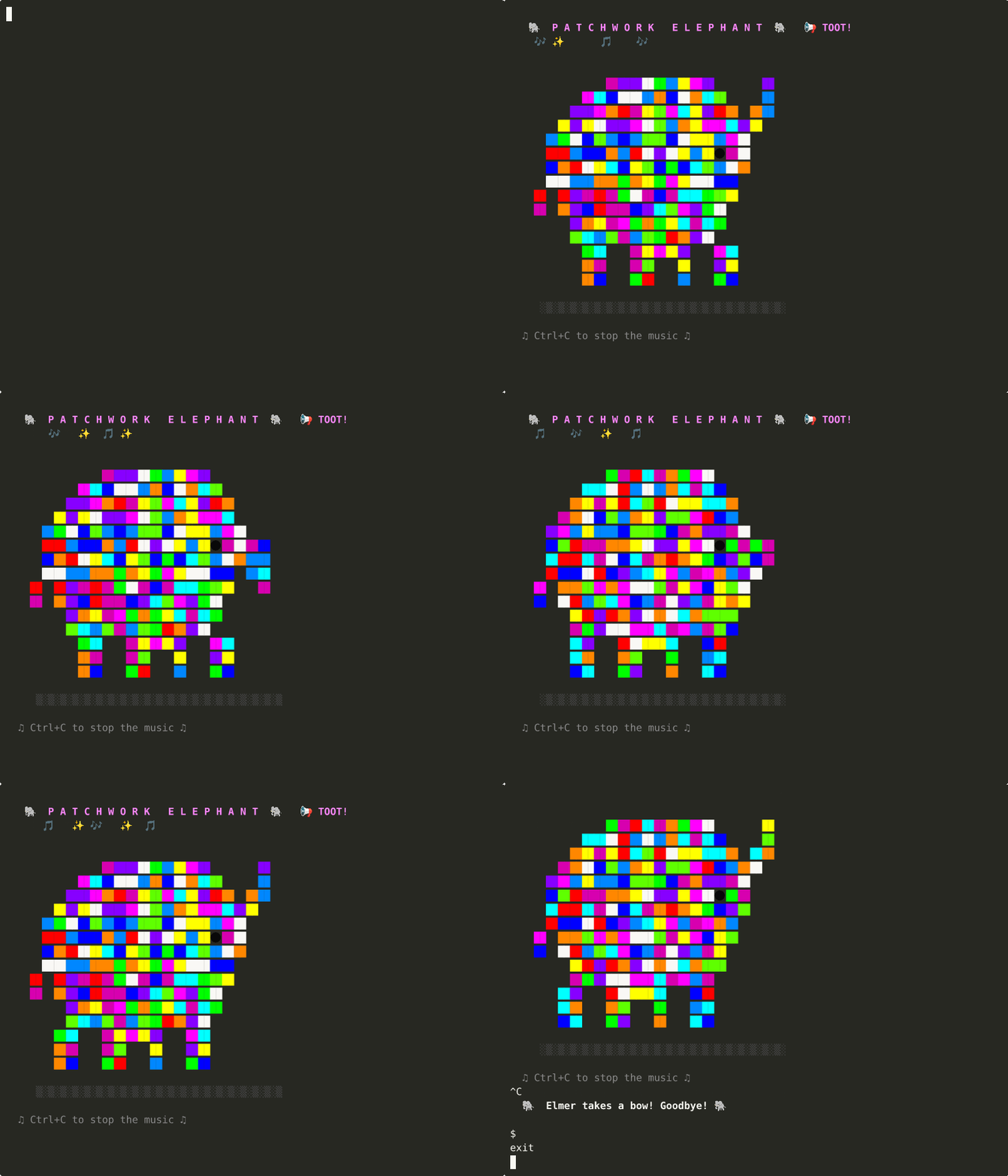
Just CTRL-C to stop the music.
Misc
- if you use CC, also give pi a try
- Context7, which is a service agents can use for up-to-date API docs
- A sufficiently detailed spec is the code, remember, the Silver Bullet?
- the Kilo orchestrator uses memory banks
- AI slop is gluey
- experiential: keep your context usage below 40% for better results; do not clutter context with too many MCP definitions; minimize or optimizue context (maybe try cxpak, oo, repoctx, …)
- mandate to use AI tools varies across companies; depending on your context, AI tools speed you up or even slow you down
- if generating code is cheap and fast, bottlenecks appear elsewhere, e.g. in review
- switch quickly between model providers for claude code, with claude-switch
Leaks and recursion
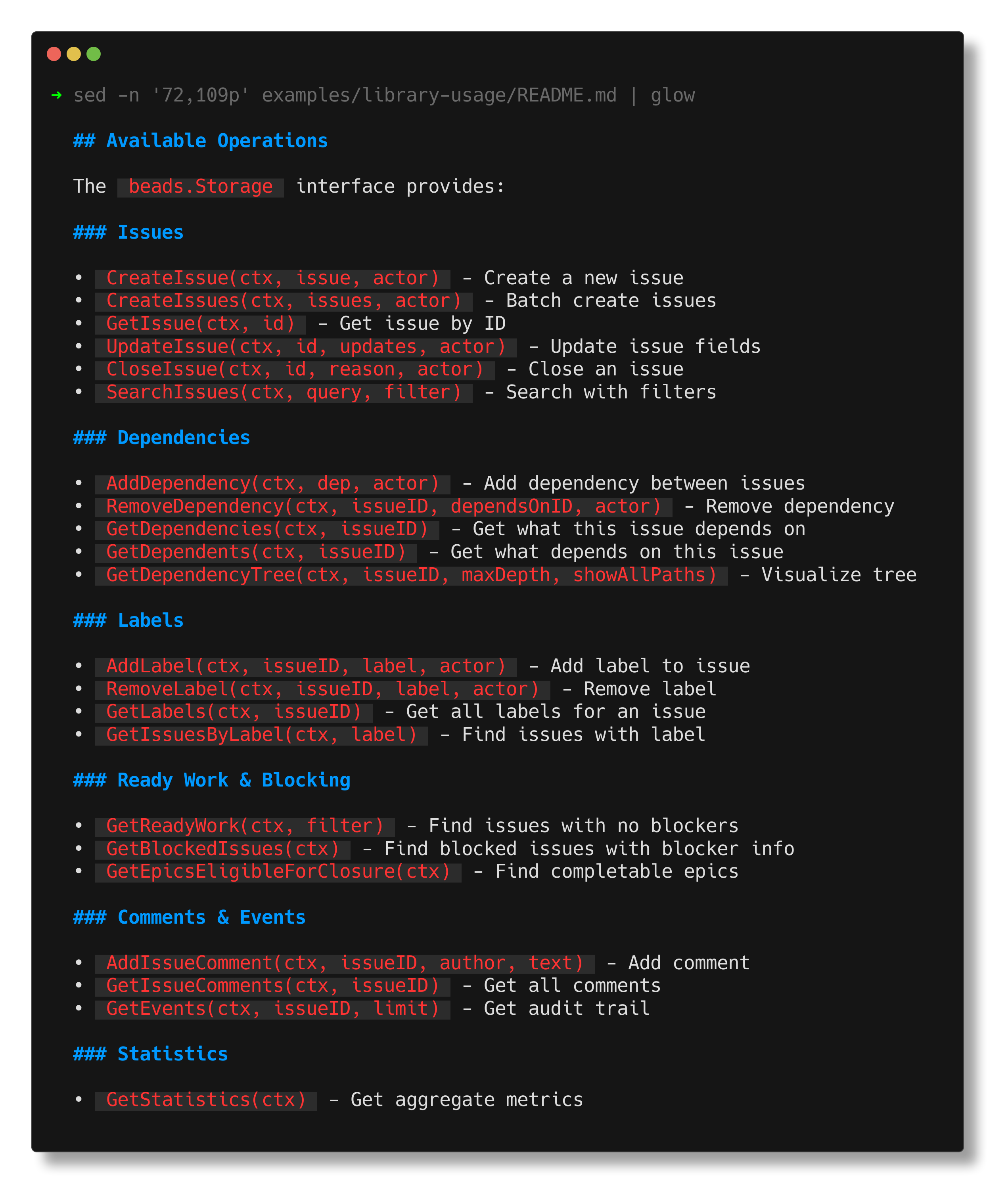
LLM GLM taking a few minutes to analyze the source code of an agentic coding harness (that leaked); summary report (more deep dives in rosaboyle/awesome-cc-oss): 2026-04-01-CC-BY-GLM.md; with glow md reader:
glow -p https://tinyurl.com/CC-GLM-2604

Thanks again Akim for the well structured and engaging presentation.
Join our meetup to get notified of upcoming events.
